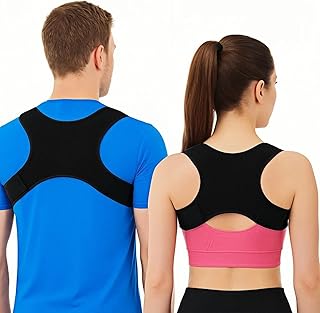
In today's digital age, where hours are spent hunched over computers and smartphones, poor posture has become a widespread issue leading to chronic pain and musculoskeletal problems. A Posture Corrector is a non-invasive tool designed to gently remind your body to maintain proper alignment, offering relief and promoting long-term spinal health. These devices are more than just braces; they are training aids that can help correct hunchback, slouching, and kyphosis.
Understanding the Benefits of Posture Support
The primary benefit of using a posture corrector is pain relief. By pulling the shoulders back and aligning the spine, these devices reduce strain on the muscles and ligaments in the neck, upper back, and shoulders. This can significantly alleviate discomfort caused by prolonged sitting or standing in poor positions. Furthermore, consistent use can help retrain muscle memory, encouraging your body to naturally adopt a healthier posture over time. Improved posture isn't just about aesthetics; it enhances breathing, increases energy levels, and can boost confidence.
Key Features to Look For in a Quality Posture Corrector
When shopping for a posture correction device, several features are crucial for comfort and effectiveness. Adjustability is paramount, as a one-size-fits-all approach rarely works. Look for products like the HLOES Posture Corrector or the KNXWALT Posture Corrector, which offer adjustable straps to fit various body types comfortably. Breathability is another critical factor, especially if you plan to wear it for extended periods. Mesh designs, as seen in many modern braces, prevent overheating and skin irritation.
For those concerned with discretion, invisible designs are available. The Fit Geno Posture Corrector Invisilite and the Vaunn® Back Correction Belt are specifically engineered to be worn discreetly under clothing. Additionally, some models, like the Kepwaa Posture Corrector, are FSA & HSA eligible, making them a smart investment in your health with potential tax-advantaged savings.
Different Types of Posture Correctors and Their Uses
Posture correctors come in various forms, targeting different areas of the back. Upper back braces or shoulder straighteners focus on pulling the shoulders back to correct rounded shoulders and upper back hunching. These are ideal for office workers and students. For more comprehensive support, a full back brace or lumbar support device provides stabilization for both the thoracic and lumbar spine. Products like the Upgraded Breathable Full Back Support brace are excellent for individuals dealing with lower back pain or conditions like scoliosis.
It's important to match the device to your specific need. For general posture improvement and slouching correction, a lightweight upper back brace may suffice. For targeted hunchback correction or thoracic spine support, a more structured brace might be necessary. Reading detailed reviews, such as the Ultimate Guide to Posture Correctors, can provide valuable insights into which type is right for you.
How to Integrate a Posture Corrector into Your Daily Routine
Using a posture corrector effectively requires a gradual approach. Start by wearing it for 15-30 minutes a day while performing light activities. As your muscles adapt, you can slowly increase the duration. It should feel supportive but not painfully restrictive. The goal is gentle guidance, not forceful immobilization. Pairing the use of a brace with strengthening exercises for your back, core, and shoulder muscles will yield the best long-term results. Remember, the device is an aid to retrain your posture, not a permanent crutch.
Many users find success with models that offer a comfortable posture aid experience, such as the UltraSupport+ Comfortable Upper and Back Brace. For women seeking a tailored fit, options like the WNIEYO Back Brace Posture Corrector or the Fit Geno Posture Corrector for Women are designed with female anatomy in mind. For a broader perspective on usage, the Posture Corrector Usage Guide offers practical tips.
Making an Informed Choice for Your Spinal Health
Choosing the right posture support tool is a personal decision that depends on your specific pain points, lifestyle, and comfort preferences. Consider whether you need targeted neck pain relief and shoulder pain relief, or more comprehensive back pain relief. Evaluate materials for breathability and check sizing charts carefully. Investing in a quality adjustable back straightener can be a transformative step towards a pain-free life and better overall health & wellness.
Before making a purchase, delve into in-depth analyses like the Posture Corrector Guide on fixing hunchback or specific product reviews for the KNXWALT or Fit Geno correctors. With the right information and a suitable device, you can take proactive control of your posture and alleviate the aches associated with modern living.